The Artist (Formerly) Known as Louis Rigaud
Over the course of a century, a nineteenth-century artist’s paintings traveled from Port-au-Prince to New Orleans to Washington to New Haven. His name stayed in the archives, waiting to be found.
Monday, September 14, 2026
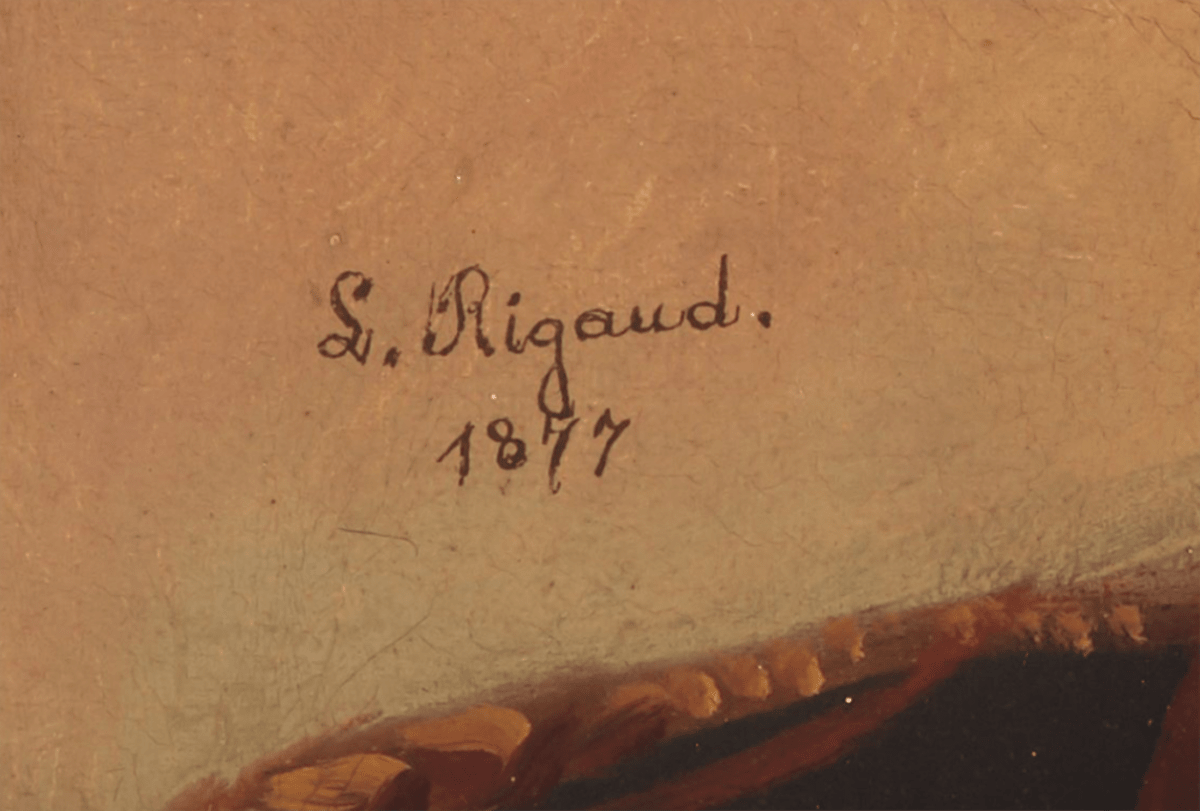
In 1963, Yale University’s Peabody Museum accessioned seventeen nineteenth-century portraits of Haitian revolutionaries, heads of state, and military figures from the United States National Museum, an entity of the Smithsonian. That same year, Saul H. Riesenberg, a curator of ethnology at the U.S. National Museum, wrote to Cornelius Osgood, curator of anthropology at the Peabody, that he “had not been able to learn anything about the painter, L. Rigaud,” whose signature appeared at the bottom of each painting. When Peabody staff later formally catalogued the paintings after five decades, they realized no one had learned much in the intervening years. Working with existing scholarship, however, staff at the Peabody came to believe the paintings were the work of Louis Rigaud.
Yet while researching the life of the painter for a forthcoming exhibit of his works—which I am co-curating at the Peabody Museum in New Haven, CT, to open this fall—not only was I unable to find any record of a Haitian painter named Louis Rigaud, but I turned up a completely different name for the artist who came to be known (erroneously) as Louis.
Finding birth and death records for the real artist who signed his name as L. Rigaud allowed me to unearth all kinds of intriguing information about his life that will be featured in our exhibit. This exhibit will mark only the second known time the suite of rare paintings—which originally included Toussaint Louverture and Haitian rulers from Jean-Jacques Dessalines to Lysius Salomon—will be displayed together. The provenance and survival of any of these paintings—from Haiti to New Orleans to Washington, DC, to New Haven (with short detours in Baltimore and northern California)—already tell quite a story. But the artist’s real name has even more to say, not only about the painter and his life, but about the uneven acceptance of historical silences, the ease with which artistic misattributions travel, and the remarkable persistence of Haitian archives in an inhospitable world.
Read the rest here: https://www.laphamsquarterly.org/roundtable/artist-formerly-known-louis-rigaud